First Responders Evaluate Counter-Drone Technologies
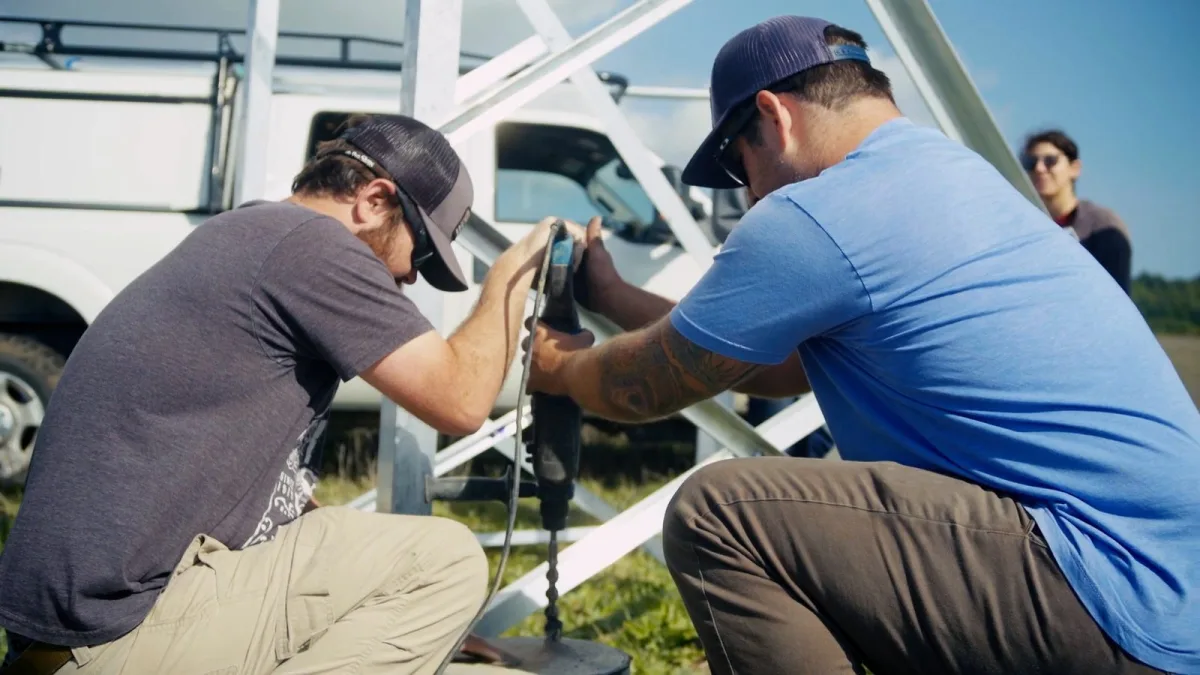
First responders and public safety partners in the United States are actively testing commercially available counter-unmanned-aircraft-system (C-UAS) technologies. The initiative is spearheaded by the Science and Technology Directorate’s National Urban Security Technology Laboratory (NUSTL), which aims to assess these systems within realistic operational scenarios. Through its SAVER program, NUSTL provides independent, responder-informed evaluations to assist agencies in selecting technology tailored to their specific operational requirements.
This effort marks a significant shift in the application of counter-drone technology, moving it from primarily a military and border security concern to a critical procurement issue for local law enforcement, fire departments, and event security teams. The increasing prevalence of drones in civilian airspace, including over stadiums, wildfires, and crime scenes, necessitates robust defensive capabilities. The same aerial platforms that can aid in rescue operations also pose potential threats to public safety.
Broader Context of Cybersecurity and Defense
The development and testing of counter-drone technologies occur against a backdrop of rapidly evolving cybersecurity threats and advancements in defensive capabilities. In a separate development, billionaire Mark Cuban recently drew a parallel between artificial intelligence (AI) hacking agents and cockroaches, emphasizing their pervasive nature and the need for effective defenses. Cuban suggested that while these agents are numerous and difficult to exclude entirely, they can be managed through appropriate security measures. He also noted that AI technology itself can be leveraged to combat these threats.
Meanwhile, concerns about cybersecurity extend to critical infrastructure and software supply chains. An advisory issued on October 22, 2026, by Aquila I highlighted three significant threats: critical PHP vulnerabilities, compromised digital certificate authority keys, and a software supply chain attack targeting LiteLLM. These issues pose risks to web applications, digital trust systems, and AI infrastructure, potentially exposing organizations to remote code execution, fraudulent certificates, and sensitive credential theft. The advisory underscores the importance of continuous vulnerability assessment, certificate validation, software supply chain monitoring, and rapid incident response.
Industrial and Infrastructure Security Focus
The cybersecurity landscape also includes a growing focus on the security of operational technology (OT) within industrial settings. AhnLab, a cybersecurity firm, has intensified its efforts in the Japanese market by appointing a new head for its Japan subsidiary and participating in the Security Days Fall 2026 Tokyo exhibition. The company showcased its integrated IT and OT security capabilities, emphasizing cyber-physical systems (CPS) security. This initiative targets local manufacturers concerned about ransomware spreading to production floors and the subsequent risk of operational shutdowns.
AhnLab's participation in Security Days Fall 2026 Tokyo, held from October 21st to 23rd, follows its presence at Interop Tokyo 2026 in June, Japan's largest IT exhibition. These engagements signal a commitment to addressing the rising concerns over cyberattacks impacting manufacturing sites in Japan. The focus on IT-OT integration is crucial as more industrial control systems become interconnected, creating new vulnerabilities that require comprehensive security strategies.
Early Detection Systems in Public Safety
The principle of early detection and rapid response is also being applied in other areas of public safety. In Arizona, a highway safety system operational since January 2018 on a 15-mile stretch of Interstate 17 in Phoenix utilizes thermal imaging cameras to detect wrong-way drivers. Initially a pilot program, it has become part of a broader state effort to deploy this technology across its highway network. The system, which employs 90 thermal imaging cameras, is designed not only to identify dangerous driving behavior but also to create an emergency warning network capable of immediate reaction upon detection.
Similarly, the Africa Centres for Disease Control and Prevention (Africa CDC) has emphasized the critical role of surveillance and contact tracing in combating outbreaks, such as the Bundibugyo virus disease in Nigeria. The agency highlighted that identifying and monitoring contacts of confirmed cases is essential for breaking transmission chains and preventing wider community spread. This approach, which includes training health workers in contact tracing, underscores the principle that early detection saves lives and protects communities. The Africa CDC remains committed to supporting coordinated, country-led responses to public health emergencies.
What This Means
The coordinated testing of counter-drone technologies by U.S. first responders signifies a proactive approach to managing a growing aerial threat in civilian environments. This initiative, led by NUSTL, aims to equip local public safety agencies with the knowledge to procure effective C-UAS solutions, reflecting a broader trend of adapting advanced technologies for domestic security. The simultaneous discussions around AI-driven cyber threats, industrial OT security, and early detection systems for traffic and public health emergencies highlight a pervasive theme: the increasing reliance on technology for both offense and defense across multiple sectors. As cyberattacks become more sophisticated and drones proliferate, the development and deployment of integrated security measures, from C-UAS to robust cybersecurity protocols for industrial and digital infrastructure, are becoming paramount for national and public safety. The emphasis on operational scenarios and responder-informed evaluations suggests a move towards practical, field-ready solutions, while the parallel focus on early detection in diverse fields like traffic management and disease control underscores a strategic shift towards preventative and rapid-response capabilities in an increasingly complex threat landscape.



💬 Comments (0)