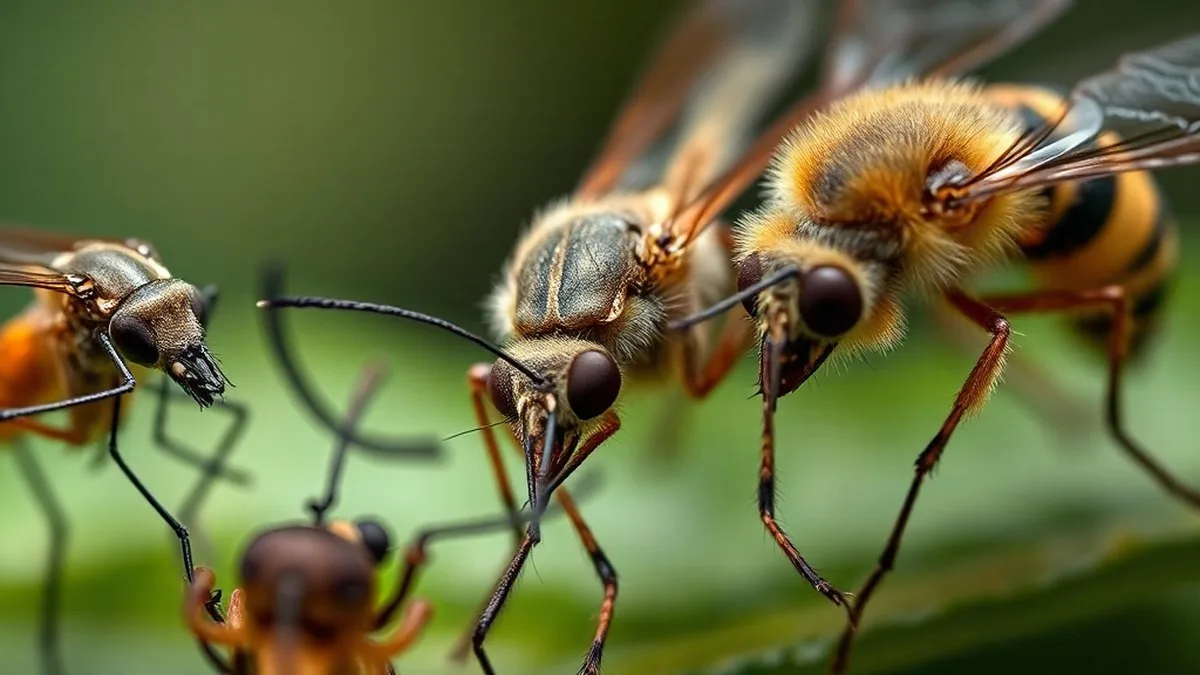
Learning From Nature’s Tiny Strategists
Scientists are increasingly looking to the natural world, specifically the surprisingly sophisticated behaviors of insects, for solutions to complex problems. Recent research suggests that understanding how insects make decisions could improve strategies in areas ranging from public health to pest control.
Combating Mosquito-Borne Illnesses
The spread of mosquito-borne diseases like dengue fever and malaria is increasing in the United States, with almost 4,000 cases of dengue reported in 2024 – a significant rise from previous years. While eradication technologies exist, regulatory delays have hindered their implementation. One promising approach involves genetically engineering male mosquitoes to carry a gene that prevents female offspring from surviving, effectively reducing local populations. This method, demonstrated successfully with fruit flies as early as 2000 by researchers at the University of Oxford and further developed by the company Oxitec, targets Aedes aegypti mosquitoes – carriers of dengue and yellow fever.
Moth Prevention Strategies
Beyond disease control, insights from insect behavior are informing everyday solutions. Experts recommend preventative measures for moth infestations, which can cause costly damage to clothing and pantry items. All-natural repellents like cedar blocks are gaining popularity due to their reusability and effectiveness in deterring moths. While these don’t kill moths, they offer a sustainable solution for protecting stored goods.
Optimizing Appliance Performance
Even seemingly unrelated areas benefit from understanding insect-inspired principles. The importance of proper ventilation is highlighted by the need for effective vent covers on refrigerators like those made by Dometic. These covers protect internal components from debris and ensure efficient operation, demonstrating how attention to airflow – a critical factor in insect survival – can extend appliance lifespan.




💬 Comments (0)