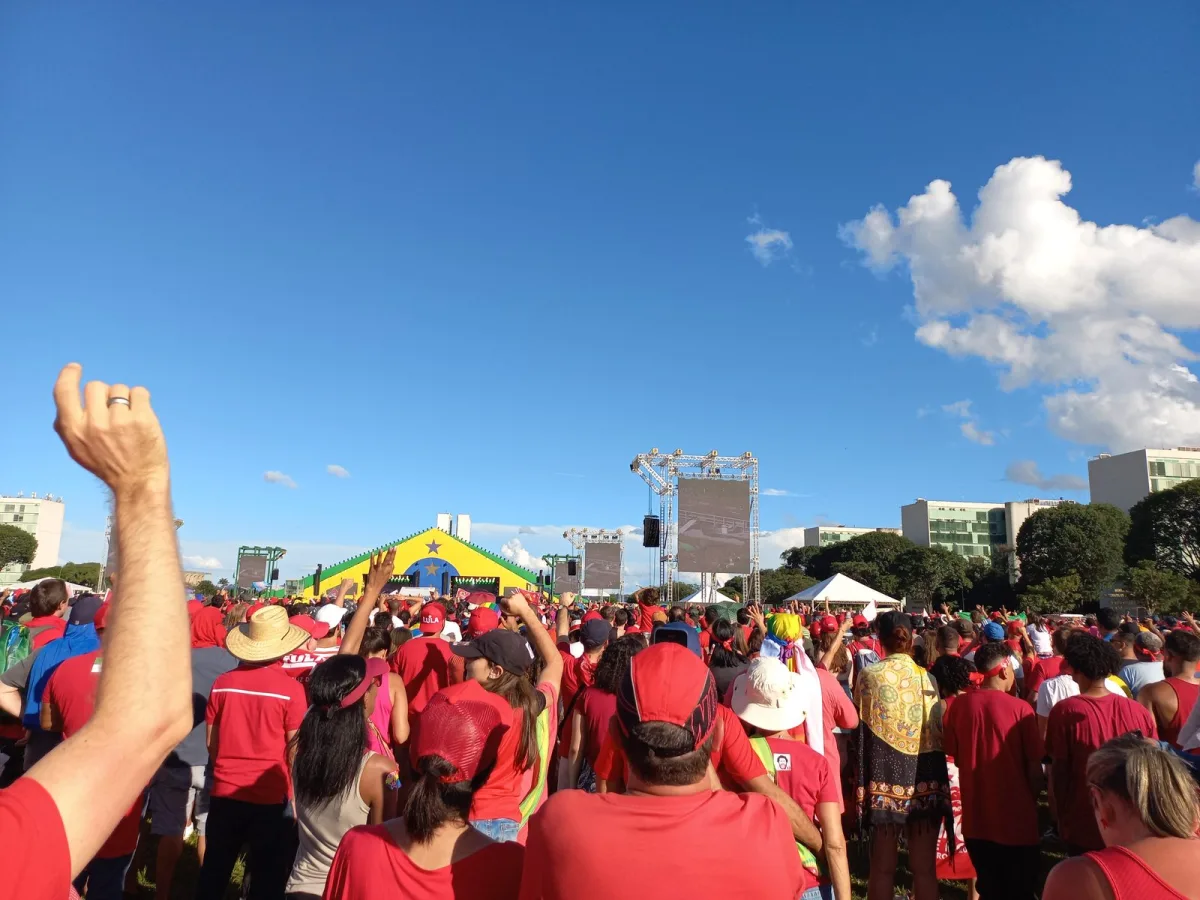
Lula Secures Fourth Term in Brazilian Presidential Election
Luiz Inácio Lula da Silva has been re-elected as the President of Brazil, securing an unprecedented fourth non-consecutive term. The victory came after a run-off election against right-wing Senator Flavio Bolsonaro. Official results, with 100 percent of the vote counted, show Lula winning 51.8 percent of the vote compared to Bolsonaro's 48.2 percent, a difference of nearly 4.4 million votes. The election result defied polls and marked a significant moment for Latin America, staving off a continued conservative wave in the region. Lula, who turns 81 on Tuesday, achieved a dramatic comeback, particularly as his opponent had led in initial polls.
The election night was marked by a degree of chaos, stemming from a last-minute decision by Supreme Court Justice Cristiano Zanin to extend voting hours by two hours. This extension was granted after requests from both candidates, citing issues such as public transportation disruptions in several cities. The decision, however, has become a point of contention, with Senator Bolsonaro refusing to concede defeat and announcing his intention to seek an annulment of the vote, deeming the extension "unacceptable" and the results "impossible to accept."
Global Reactions to Lula's Victory
The outcome of the Brazilian presidential election has elicited varied reactions from world leaders. Many left-wing figures and international leaders have celebrated Lula's win. Mexican President Claudia Sheinbaum was among the first to congratulate Lula, posting her message on X. Canadian Prime Minister Mark Carney expressed optimism about strengthening the relationship between Canada and Brazil, highlighting opportunities for trade, environmental protection, and prosperity. Peruvian President Keiko Fujimori saluted the Brazilian people for a "democratic day" and congratulated President Lula. Ecuadorian President Daniel Noboa emphasized the shared challenges and potential gains for the region through collaboration.
Chilean President Jose Antonio Kast also spoke with President Lula, affirming a shared future and commitment to strengthening bilateral relations. These congratulatory messages underscore the international significance of Lula's re-election, particularly in the context of regional political shifts. The result is seen by some as a defeat for "denialism and lies," as Lula himself stated when addressing his supporters, contrasting his platform with that of his opponent.
Bolsonaro Challenges Election Results
Following the announcement of his defeat, Senator Flavio Bolsonaro has refused to accept the election results. He has stated his intention to challenge the vote, focusing on the two-hour extension granted to polling stations. Bolsonaro described the extension as "unacceptable" and has called for the election to be annulled. This move echoes the actions of his father, former far-right president Jair Bolsonaro, who similarly sought to annul results after his loss to Lula in the 2022 election and is currently serving a prison sentence for attempting a coup.
The extension of voting hours was a contentious issue on election day. Supreme Court Justice Cristiano Zanin made the decision to extend polling in certain areas after receiving requests from both campaigns, citing logistical problems like bus cancellations. Despite both candidates requesting the extension, Bolsonaro has singled it out as grounds for challenging the legitimacy of the election. This legal challenge adds a layer of uncertainty to the immediate aftermath of the election.
Broader Implications for Latin America and US Relations
Lula's victory is seen as a significant counterpoint to a broader conservative trend that has recently swept across Latin America, with countries like Argentina, Chile, Colombia, and Peru shifting towards right-wing leadership, often with the backing of U.S. President Donald Trump. Lula's re-election maintains a degree of distance between Brazil, Latin America's largest economy, and Washington. As a vocal critic of U.S. President Donald Trump, Lula's continued presidency suggests a potential divergence in foreign policy and a strengthening of regional alliances independent of U.S. influence.
The result provides relief to critics of expanding American influence in the region. The political landscape of Latin America has been dynamic, with several nations experiencing a swing to the right. Lula's win represents a continuation of a more left-leaning political direction for Brazil, which could influence regional dynamics and international relations. The upcoming period will likely see Brazil navigating its role within the continent and its relationship with major global powers under Lula's continued leadership.
What This Means
Luiz Inácio Lula da Silva's re-election as President of Brazil signifies a continuation of his leftist policies and a potential shift in the regional political balance of Latin America, which has seen a recent surge in conservative governments. His victory, despite a close race and challenges from his opponent, Flavio Bolsonaro, indicates a divided electorate but a clear mandate to govern for a fourth term. The immediate focus will be on how Bolsonaro's challenge to the election results unfolds and whether it leads to significant legal or political instability. Internationally, Lula's win reinforces a more independent foreign policy for Brazil, potentially strengthening ties with other left-leaning nations and asserting a distinct stance from that of the United States. Observers will be watching to see how Lula addresses domestic economic and social issues, as well as his administration's approach to environmental protection and regional cooperation in the coming term.



💬 Comments (0)