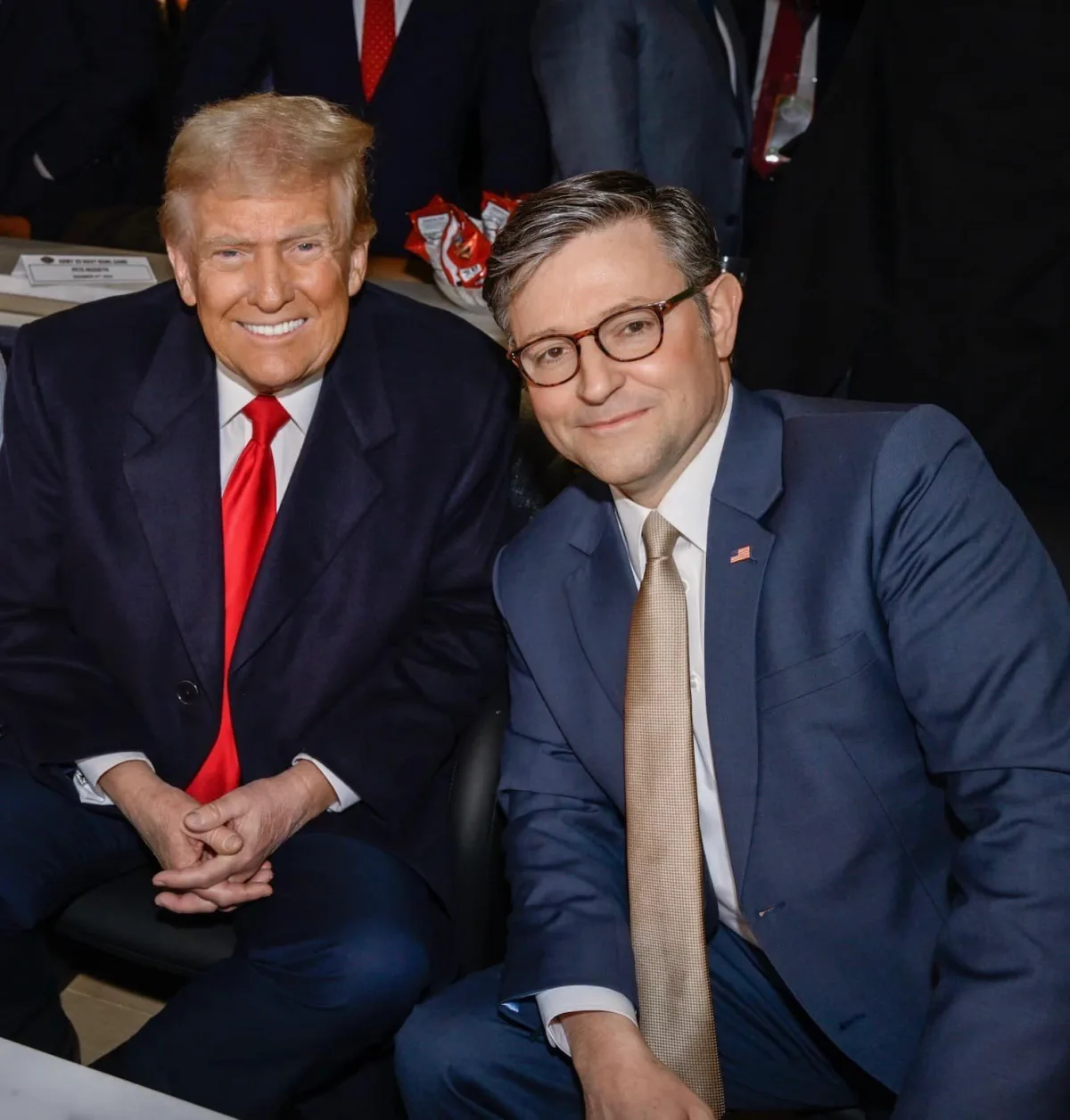
Trump's Return and Assertive Stance
Donald Trump's return to the White House in January 2025 marked the beginning of a year anticipated to be fraught with challenges. According to reports from Cartooning for Peace, the American president adopted a strategy of making a significant impact on all fronts, often acting alone, hastily, and forcefully. Domestically, his administration was characterized by the signing of numerous executive orders targeting immigrants, the opposition, freedom of expression, and democratic processes. Internationally, his policies, including a trade war and the imposition of tariffs, created considerable volatility in global markets. His assertive diplomatic approach also led to a significant reshuffling of the global order.
In the Middle East, Trump secured a fragile truce between Israel, led by Netanyahu, and Hamas in Gaza. However, this agreement was noted for lacking a concrete plan for achieving long-term peace. A similar strategy proved unsuccessful in Ukraine, where negotiations remained stalled. The period was marked by a series of significant international developments, including diplomatic engagements and security concerns.
Geopolitical Flashpoints and Health Concerns
In February 2026, the Middle East became a focal point of escalating tensions. Radio Free Europe/Radio Liberty reported that Iranian missiles were launched at several Middle Eastern countries hosting U.S. armed forces bases, triggering air raid sirens across the region. Explosions were reported in Bahrain, Abu Dhabi, Qatar, and Saudi Arabia on February 28, following President Donald Trump's announcement of "major combat operations" against Iran, conducted in tandem with Israel. This series of events underscored the volatile security landscape in the region.
The retaliatory attacks by Tehran resulted in at least one civilian fatality in Abu Dhabi, the capital of the United Arab Emirates, who was reportedly struck by falling debris. The UAE's Defense Ministry subsequently announced that its air defenses had successfully intercepted a new wave of Iranian missiles, with fragments falling in various areas of Abu Dhabi, including Saadiyat Island, Khalifa City, Bani Yas, Mohamed bin Zayed City, and Al Falah. Senior U.S. officials in Washington stated that there were no reported U.S. casualties from these strikes. The events of February 2026 highlighted the immediate security implications of the ongoing conflict and raised questions about regional stability.
Development and Cultural Engagements
Amidst these geopolitical events, significant developments were also occurring in the region's tourism and entertainment sectors. In January 2026, Disney CEO Bob Iger confirmed that the world's seventh Disneyland would be built on Yas Island in Abu Dhabi. This announcement followed the initial unveiling of Disneyland Abu Dhabi in May 2025 as the first Middle Eastern destination for the global theme park chain. The project is a partnership with Miral, a UAE-based entertainment and destination developer known for attractions like Ferrari World and Warner Bros. World Abu Dhabi.
Yas Island has been a hub for various initiatives. In May 2025, comedian Kevin Hart was appointed as Yas Island's first-ever chief island officer, launching a search for an ambassador for a two-month role with a salary of $100,000. The island has also been a venue for significant diplomatic gatherings, such as the 16th Sir Bani Yas Forum in December 2025, where External Affairs Minister S Jaishankar met with counterparts from Egypt, the UK, and various European nations, including Luxembourg, Poland, and Latvia. These developments illustrate a broader regional focus on economic diversification and international cooperation.
Rhetoric and Historical Context
The discourse surrounding Donald Trump has also touched upon deeper historical and philosophical themes. Reports from Good Faith Media have drawn attention to Trump's rhetoric of dehumanization, linking it to historical frameworks like the Doctrine of Discovery. This 15th-century set of papal bulls provided a theological and legal basis for Christian domination, enabling European explorers to claim lands inhabited by non-Christians as "terra nullis" or ownerless territory. Despite calls from various religious bodies, including Episcopalians, Quakers, Methodists, and the World Council of Churches, for the doctrine's formal renunciation, the Vatican has maintained it is ancient history.
However, the doctrine's influence is argued to persist, underpinning American land law and contributing to the systematic removal of Indigenous peoples. This framework has been observed in the comments and actions of individuals identified as "Hanadagá•yas," a term associated with leadership, including Donald Trump. His past statements and actions have been analyzed within this context, raising concerns about the enduring impact of historical doctrines on contemporary societal structures and policies. The intersection of political rhetoric, historical context, and cultural narratives continues to shape public discourse.
What This Means
The confluence of Donald Trump's age, his assertive political style, and significant geopolitical events raises multifaceted questions. His return to the presidency in 2025, marked by a forceful approach to both domestic and international policy, has been accompanied by escalating regional conflicts, as evidenced by the missile strikes in the Middle East in early 2026. The reported civilian casualty in Abu Dhabi and the successful interception of missiles by the UAE highlight the immediate dangers posed by these tensions. Simultaneously, major economic and cultural projects, such as the development of Disneyland Abu Dhabi, are progressing, indicating a complex regional landscape where development continues alongside security concerns.
Furthermore, the analysis of Trump's rhetoric through the lens of historical doctrines like the Doctrine of Discovery provides a critical perspective on his actions and their potential long-term implications. The ongoing debate about the relevance and impact of such historical frameworks underscores the enduring influence of past ideologies on present-day issues, particularly concerning land rights and Indigenous peoples. The combination of these factors—geopolitical instability, ambitious development projects, and critical examinations of political discourse—presents a dynamic and challenging environment. Future developments will likely involve continued monitoring of regional security, the progress of major international projects, and the ongoing discourse surrounding political leadership and its historical context.




💬 Comments (0)