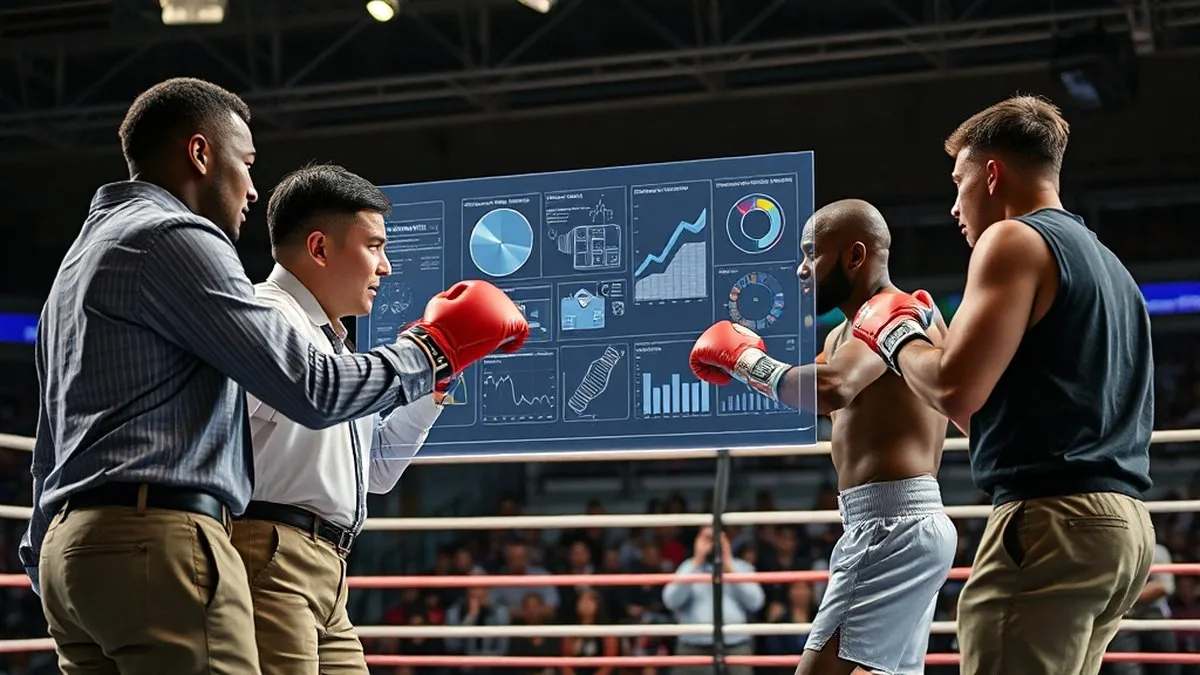
AI's Growing Influence in Business
Artificial intelligence (AI) is no longer a futuristic concept but a present-day force actively reshaping industries and business operations. From enhancing cybersecurity measures to revolutionizing customer interactions, AI's impact is becoming increasingly profound.
Reshaping Cybersecurity and Penetration Testing
In the cybersecurity realm, AI is accelerating attack capabilities while simultaneously challenging long-held assumptions in penetration testing. Companies like Horizon3 are expanding their global reach, evidenced by their new EMEA headquarters in Amsterdam and significant Series E funding, indicating strong growth and a strategic focus on channel partnerships. This expansion underscores the increasing reliance on AI-driven solutions in safeguarding digital assets.
Transforming Customer Relationships and Commerce
The way customers discover, decide, and purchase products is undergoing a significant shift. AI assistants are increasingly being delegated tasks, moving beyond simple recommendations and chatbots to provide intelligent, agent-driven experiences. This evolution suggests a future where AI plays a more active role in commerce, potentially altering the dynamics between consumers, businesses, and the platforms they use.
Leadership and Organizational Evolution
Beyond operational changes, AI's rise also prompts reflection on leadership and organizational transitions. The successful succession within the National Basketball Association, from David Stern to Adam Silver, offers lessons on matching leadership styles to an organization's stage of development. As businesses navigate the complexities introduced by AI and other global shifts, adaptable leadership becomes crucial.
Philanthropy's Role in an Evolving World
Philanthropic organizations are also stepping in to help societies adapt to rapid advancements in AI and climate change. By piloting innovative solutions that governments and businesses might deem too risky, philanthropy can bridge gaps and foster adaptation, with lessons learned being applicable across sectors.
Global Trade and Geopolitical Impacts
The broader economic landscape is also being reshaped, with the World Trade Organization warning that geopolitical conflicts and supply disruptions could lead to lasting changes in global trade routes. Businesses are increasingly motivated to diversify supply chains, reconsidering suppliers, production locations, and transport routes in response to global uncertainties.



💬 Comments (0)